Eric Swalwell’s Private Texts To Woman Have Been Exposed
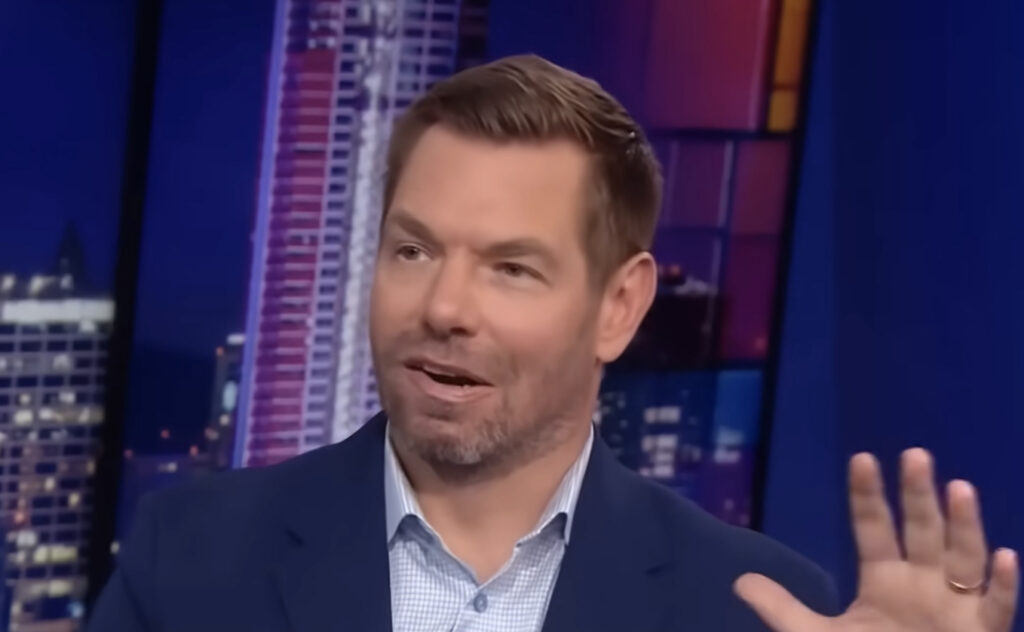
Private text messages between former Rep. Eric Swalwell and a former Capitol Hill staffer have become public, adding a new element to the controversy surrounding the California Democrat. The messages, from 2024, involve Amanda Koski, who first met Swalwell while working at a pizza restaurant he and his family frequented. Their early interactions focused on professional networking as Koski sought political opportunities. Later exchanges left her uncomfortable about the nature of his interest.
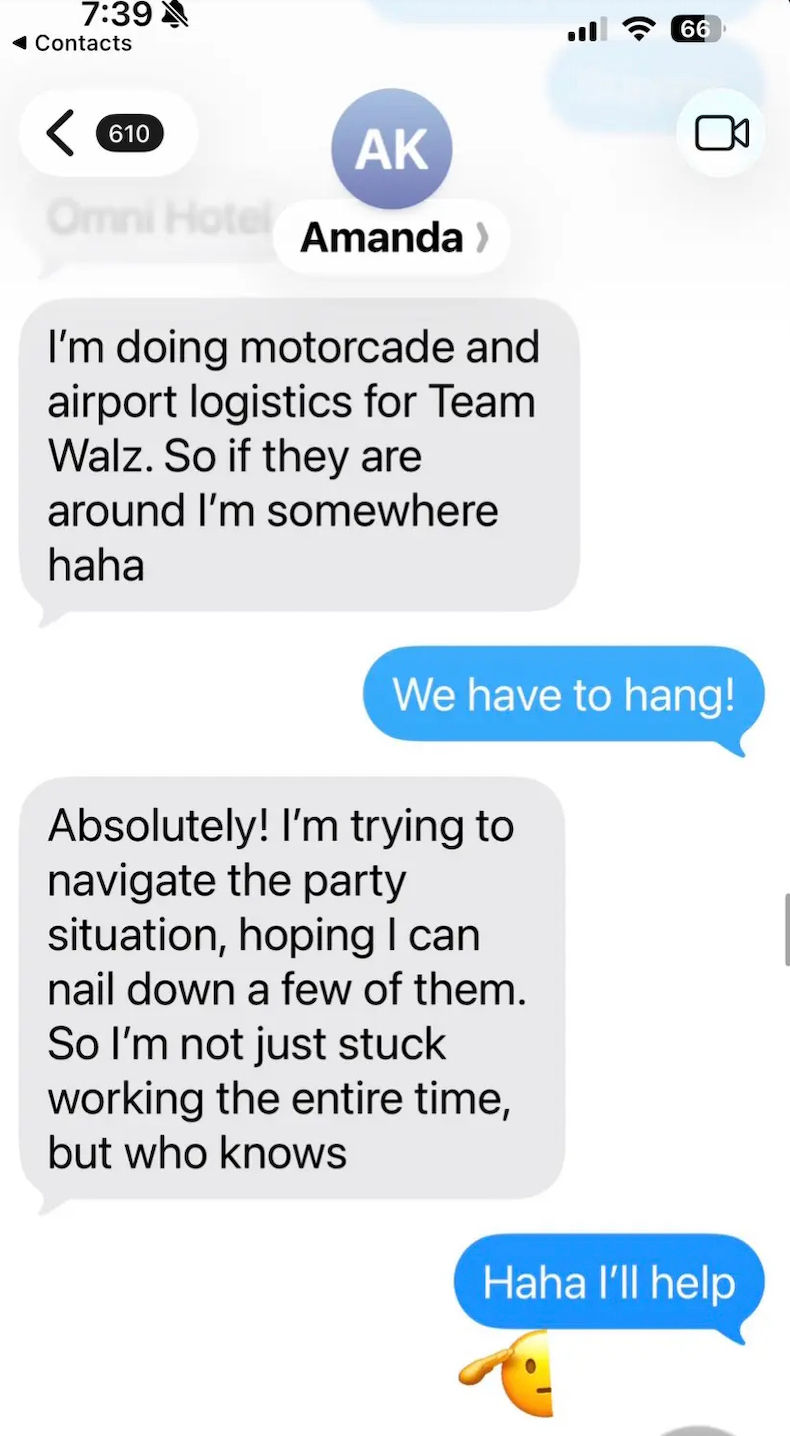
Screenshots obtained by the California Post show Swalwell asking where Koski was staying in Chicago during the 2024 Democratic National Convention. “We have to hang!” he wrote in one message. Other exchanges included heart emojis, offers of professional help, and expressions of pride in her work. The screenshots do not show sexual misconduct, and Koski has stated she is not accusing Swalwell of sexual wrongdoing. She has said her discomfort stemmed in part from contact through Snapchat and Instagram despite the professional context.
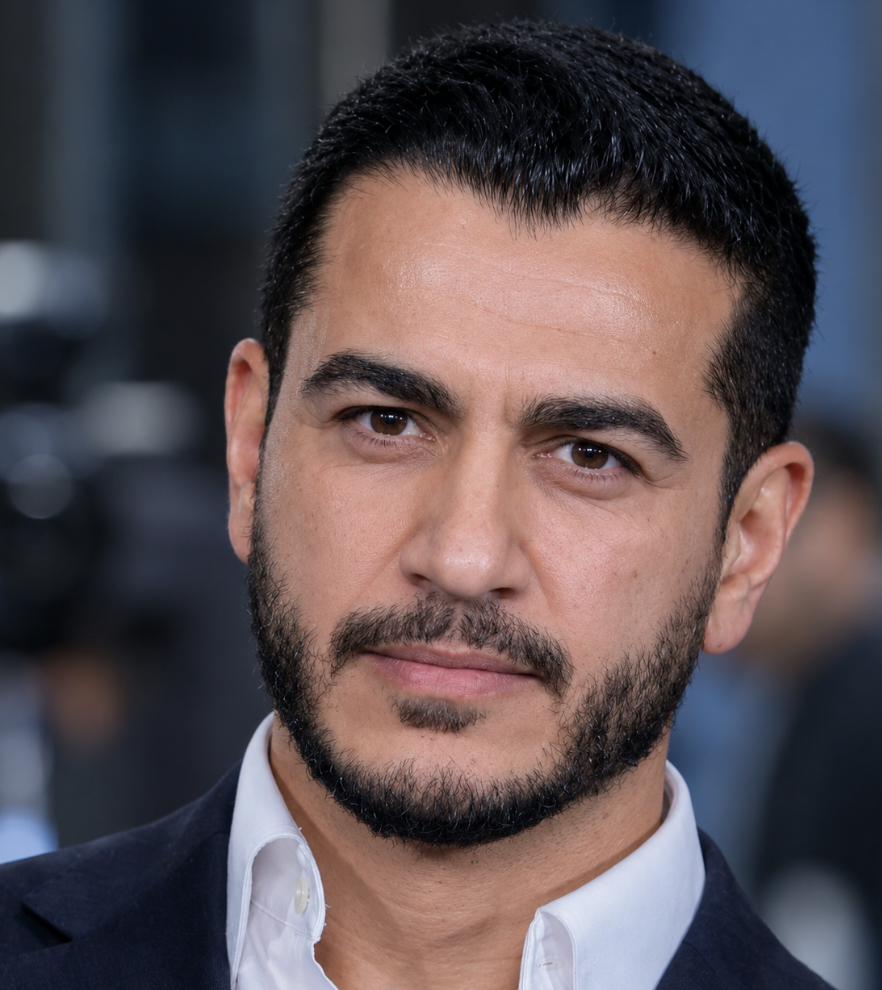
The messages resurfaced as Koski faced criticism for her reaction to a sexual joke by newly elected Colorado Democratic Rep. Manny Rutinel. During an office-selection process, Rutinel drew room number 69 and joked that his strategy had worked. Koski told the Washington Sun that such jokes can normalize worse behavior. “This is how it starts, one ‘kind of sexual’ joke where everyone in the room laughs, and it gives the rest permission to say something worse later on because everyone laughed at this joke,” she said. She questioned what was funny about the number.
A source close to women who have accused Swalwell of more serious misconduct criticized Koski’s comments. In April, CNN published allegations from several women, including a former staffer who accused Swalwell of rape. Other women alleged he sent unsolicited explicit photographs and inappropriate messages. Swalwell denied the allegations as false and suspended his campaign for California governor. Koski’s account is distinct from those claims. She has emphasized that her experience should not be equated with allegations of sexual assault.
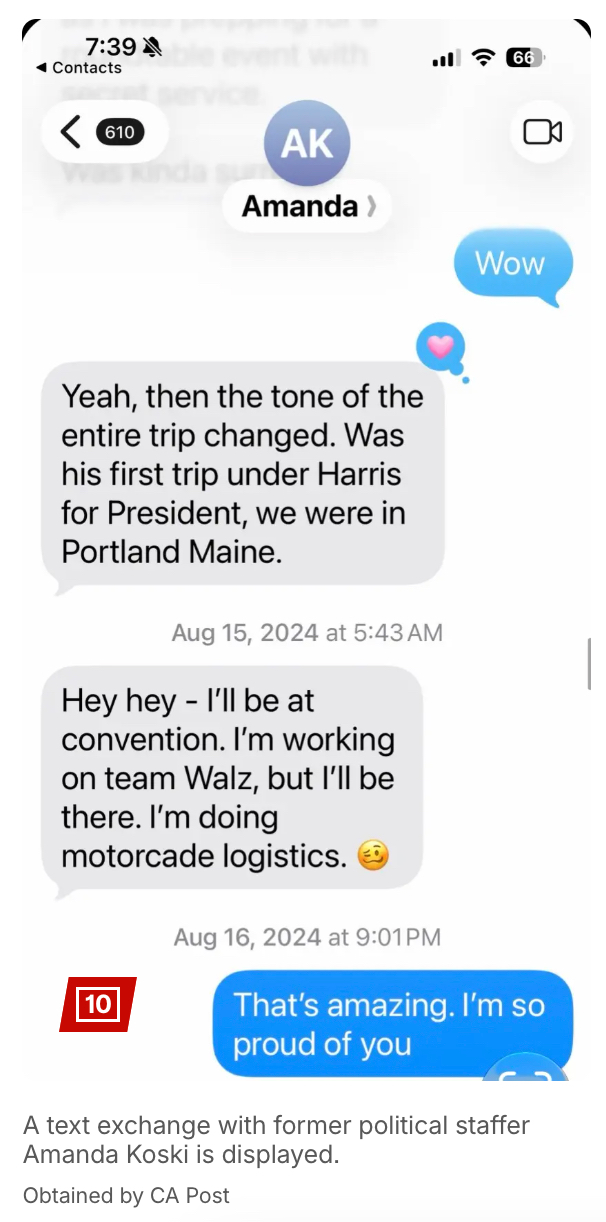
Swalwell’s attorney, Sara Azari, said the communications were attempts to help Koski professionally. Azari rejected suggestions that later messages were meant to intimidate her. Koski described a subsequent incident in which Swalwell questioned why she had taken a screenshot of their Snapchat connection. The message arrived around 1:57 a.m. and was followed by screenshots of earlier conversations. Koski has maintained that the contact felt inappropriate given the professional framing. The newly public texts add detail to her earlier descriptions of discomfort.
The broader allegations against Swalwell emerged earlier this year and contributed to the end of his gubernatorial bid. Multiple women came forward with claims ranging from unsolicited explicit images to more serious accusations. Swalwell has consistently denied wrongdoing. Koski’s messages predate those public allegations. She first encountered him in a casual restaurant setting before any formal political work. The professional networking phase later gave way to the exchanges that made her uneasy. The screenshots capture part of that progression.
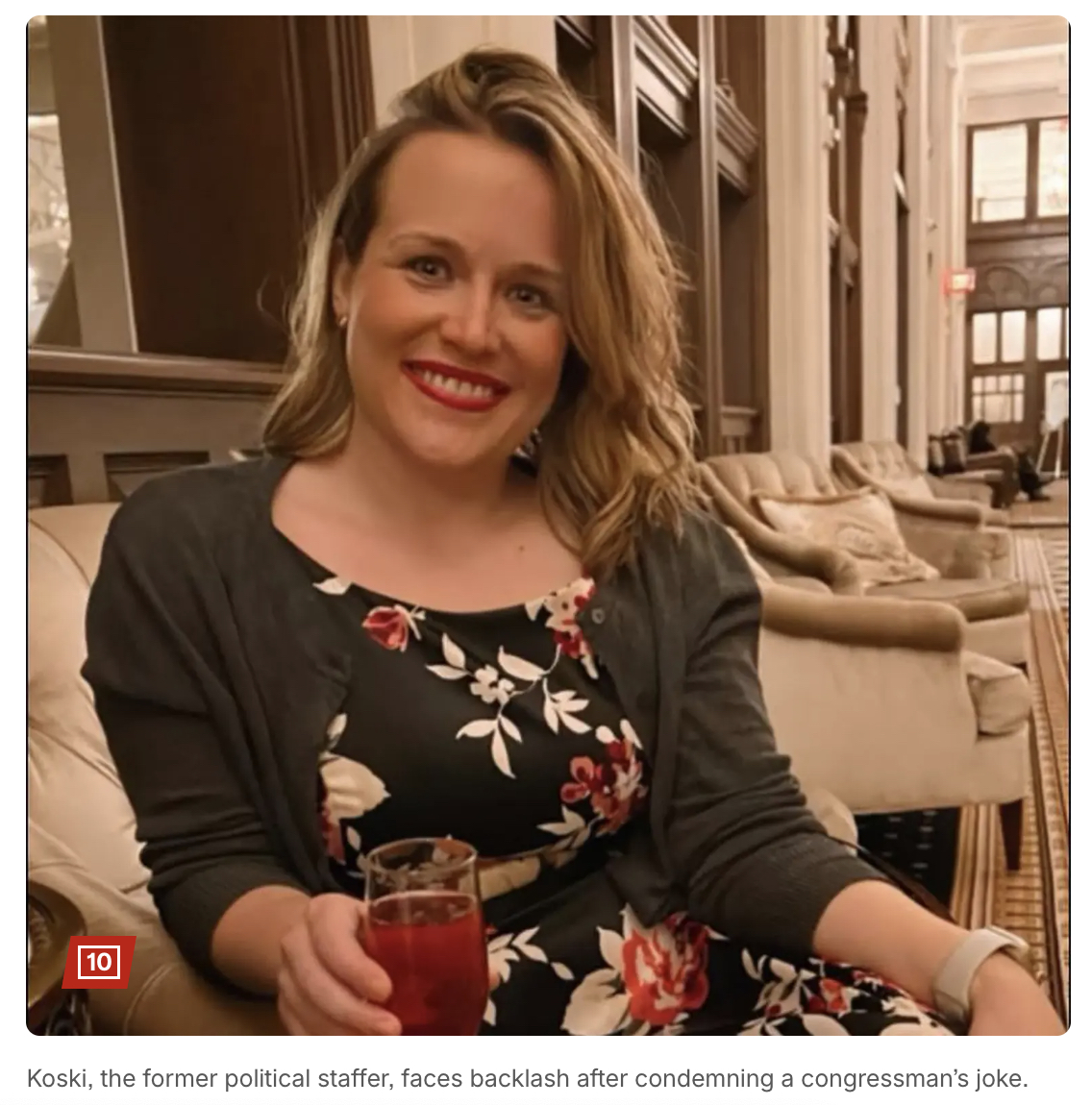
Koski has said she is not alleging sexual misconduct by Swalwell. Her criticism of the Rutinel joke focused on workplace culture rather than any claim against Swalwell. The backlash she received came from people connected to the more serious accusations. Those accusations remain denied by Swalwell. The text messages themselves show offers of help mixed with social invitations and emojis. Koski interpreted the pattern as crossing a professional line. Swalwell’s attorney has described the intent as career assistance. The public release of the screenshots has renewed attention to the overall controversy.
The Snapchat and Instagram contact occurred outside official channels. Koski viewed that choice as part of what made the interactions uncomfortable. The late-night message about the screenshot added to her concern. Swalwell’s team has maintained there was no intent to intimidate. The messages do not contain explicit sexual content according to the reporting. They do show a level of personal engagement that Koski found inappropriate. The distinction between her account and the more serious allegations has been noted by both sides. The texts provide a documented record of one set of exchanges.
Swalwell’s political career effectively ended after the April allegations. He had been a prominent House Democrat and frequent television presence. The gubernatorial campaign suspension followed the CNN report. Koski’s earlier interactions with him were not part of that initial wave of claims. The recent publication of the texts has brought her account back into view. She has continued to separate her experience from the assault allegations. Critics of her Rutinel comments have argued that her standards should apply consistently. Koski has focused on the specific joke and its implications for workplace norms.
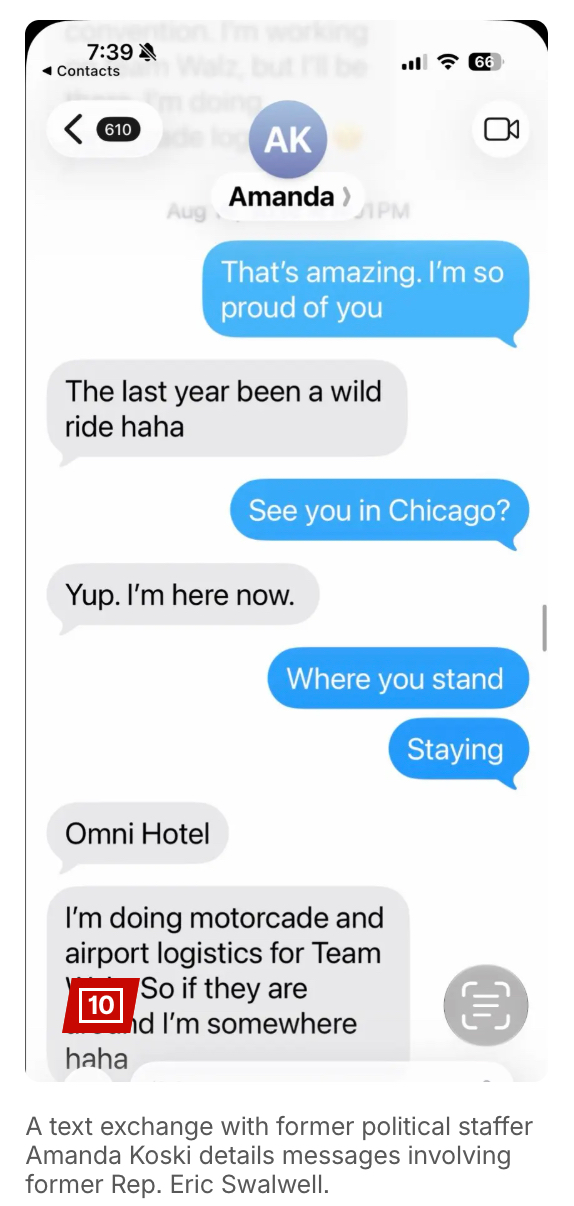
The California Post obtained and published the screenshots. They show a mix of professional encouragement and social overtures. Koski has described the overall pattern as leaving her questioning Swalwell’s intentions. She has not claimed any physical misconduct. The attorney’s statement emphasizes the career-help framing. The late-night follow-up about the screenshot is part of the record she has described. The messages date to the period around the 2024 Democratic convention. That timing places them well before the April 2026 allegations became public. The two sets of claims remain distinct in Koski’s telling.
Swalwell has not commented directly on the newly released texts in the available reporting. His attorney has addressed the nature of the communications. Koski has been public about her discomfort without escalating to a formal accusation of sexual misconduct. The contrast with the more serious claims made by other women has been explicit in her statements. Those other claims led to the suspension of his campaign.
The texts add a documented example of the kind of contact she found problematic. The professional context is central to her account. The social elements are what raised her concerns.
The Rutinel joke controversy brought Koski back into the news cycle. Her comments about normalizing sexual humor drew criticism from some quarters. That criticism referenced the Swalwell allegations. Koski responded by distinguishing her own experience. The text messages provide the specific record of her interactions with him. They include the “We have to hang!” line and heart emojis. They also include offers of professional assistance.
The combination is what she has described as uncomfortable. Swalwell’s side maintains the intent was helpful. The screenshots allow readers to evaluate the exchanges directly.
The overall controversy around Swalwell includes both the serious allegations reported by CNN and the more limited discomfort described by Koski. He has denied the serious claims. Koski has not made those claims about her own interactions. The newly public texts fall into the category she has discussed.
They show persistent contact through personal apps. They include social invitations alongside career talk. Koski has said that pattern left her uneasy. The attorney has rejected any improper motive. The release of the messages has extended the public discussion of Swalwell’s conduct.
Koski first met Swalwell in a non-political setting. The relationship later included efforts to help her enter politics. The text record captures the later stage of that relationship. She has described the shift from professional to personal as the source of her discomfort. The screenshots document specific messages from that period. They do not show the more explicit content alleged by other women. Koski has been clear about that distinction. The political consequences for Swalwell stemmed primarily from the April allegations. The texts provide additional context for one woman’s account of their interactions.
The messages have now been widely circulated. They form part of the continuing public record around Swalwell. Koski has used the moment to discuss broader workplace issues. Her critics have questioned the consistency of her standards. Swalwell’s attorney has defended the communications as professional. The screenshots themselves are the primary new evidence. They show the specific language and emojis that Koski found problematic.
The absence of explicit sexual content in those particular messages has been noted. The broader allegations remain a separate matter that Swalwell continues to deny.
Join the Conversation
Keep Reading
Democrat’s Criminal Case Takes MAJOR Turn
Shock 2028 Poll on Rubio And Vance
Netflix Actor Found Dead at 38
Trump’s Unprecedented Moment on World Stage
Next House Speaker Revealed
Paris Hilton Teams Up With AOC
Fox Host Reveals Why His Family Is Stockpiling Supplies

Gas Prices Crash to Low Point

Share your perspective and reply to other readers.
Free account required. You will stay on this page.