
Mamdani’s Crazy Plan to Shut Down NYC Jail
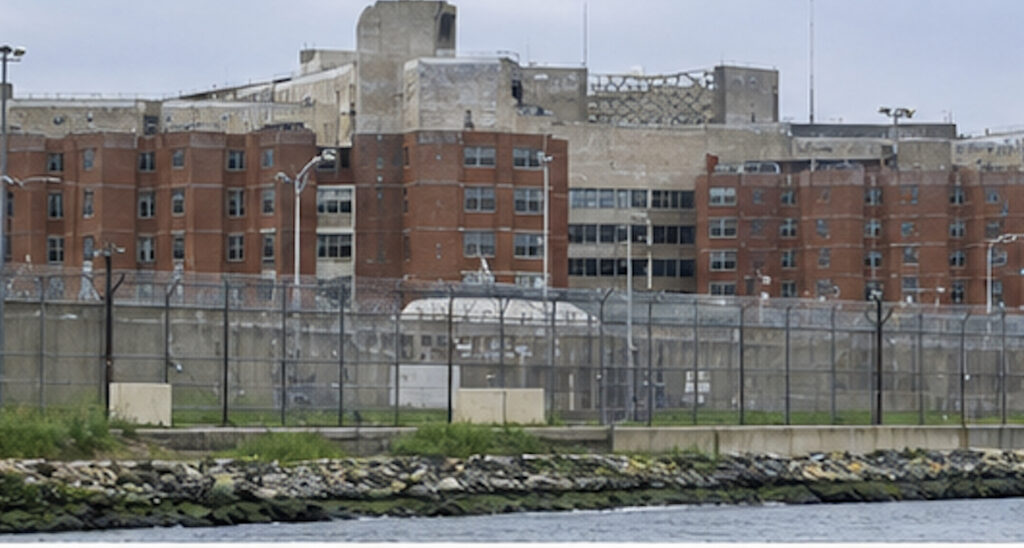
New York City Mayor Zohran Mamdani announced plans to close Rikers Island “once and for all” by 2032 and replace it with four smaller jails. Crime expert Rafael Mangual of the Manhattan Institute warned the proposal could inflict lasting damage on public safety.
Mamdani’s replacement facilities in Manhattan, Brooklyn, Queens and the Bronx would provide only 4,160 beds plus 340 therapeutic beds for a city of nearly 9 million people. Corrections officers and criminal-justice scholars have raised alarms about the sharp reduction in capacity.
Mangual told Fox News Digital that the city will not have enough beds. “If New York City gets this wrong, make no mistake, there will be a massive hit to public safety,” he said.
The mayor attributed the five-year delay in the original closure timeline to prior administration setbacks. The city also plans to invest $146 million in support services as part of the transition.
Mangual predicted the new jails would operate at 100 percent capacity indefinitely, leading to overcrowding, violence and contraband problems. He noted that the city’s jail population fell below 4,000 during the COVID-19 pandemic in 2020, yet shootings and murders surged that year.
NYPD data showed 1,531 shootings in 2020, a 97 percent increase from 2019, and 462 murders, up from 319. Mangual pointed out that Rikers held between 9,000 and 10,000 inmates during some of the city’s safest recent years in 2017 and 2018.
Despite record-low murders and shootings so far this year, felony assaults remain elevated. Mangual argued that further reductions in jail capacity will only worsen the problem.
He linked previous efforts to shrink the jail population—including bail reform and limits on low-level prosecutions—to compromised public safety. “We certainly haven’t been able to get it down to where it is now without compromising public safety,” he said.
Mangual cited recent cases of repeat offenders released without bail who went on to commit serious crimes. He rejected the idea that alternatives to incarceration can fully replace the protective effect of keeping dangerous individuals off the streets.
Rikers has long faced criticism over conditions, trial delays and limited family access. City officials describe the new plan as an effort to create a safer and more humane system.
Mangual countered that simply building smaller jails with the same inmates and staff will not solve underlying problems. He argued some offenders are too dangerous to coexist safely with the public.
He recommended refurbishing existing facilities and adding adequate capacity rather than drastically cutting bed space. Without sufficient incarceration capacity, he warned, crime could rise on a much larger scale.
The mayor’s office has defended the plan as a conscious shift toward a new model of the criminal legal system. Critics continue to question whether the numbers add up for a city of New York’s size.
Mangual’s assessment frames the closure as a high-stakes experiment with potentially severe consequences. The debate is expected to intensify as planning advances toward the 2032 target.
Public safety remains the central concern for those opposing the capacity reduction. Supporters emphasize the long-standing problems associated with the current Rikers complex.
Join the Conversation
Keep Reading
AOC Reveals Big 2028 News


ICE Agent Faces Six Years in Prison
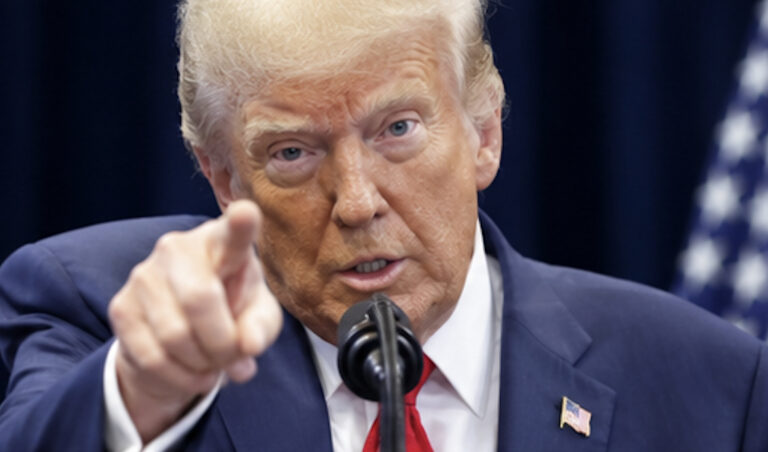
Trump Doubles Down Despite Midterm Losses

Bill Maher Declares Late-Night Comedy ‘Dead’

Two American Airlines Planes Collide
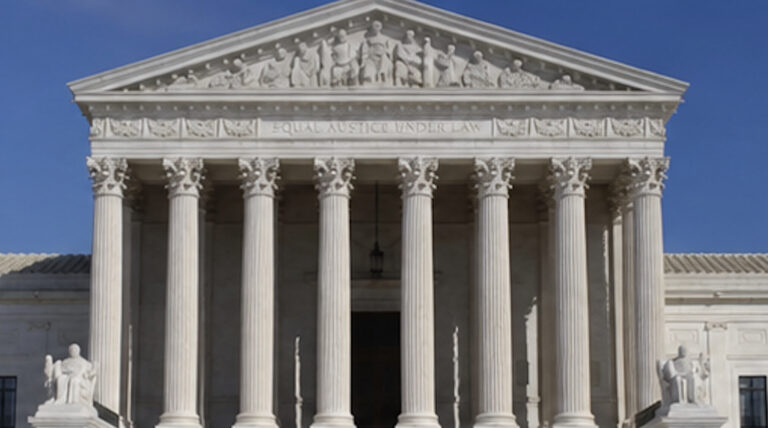
Supreme Court Takes Up Major 2nd Amendment Case

Share your perspective and reply to other readers.
Free account required. You will stay on this page.