
Trump Doubles Down Despite Midterm Losses
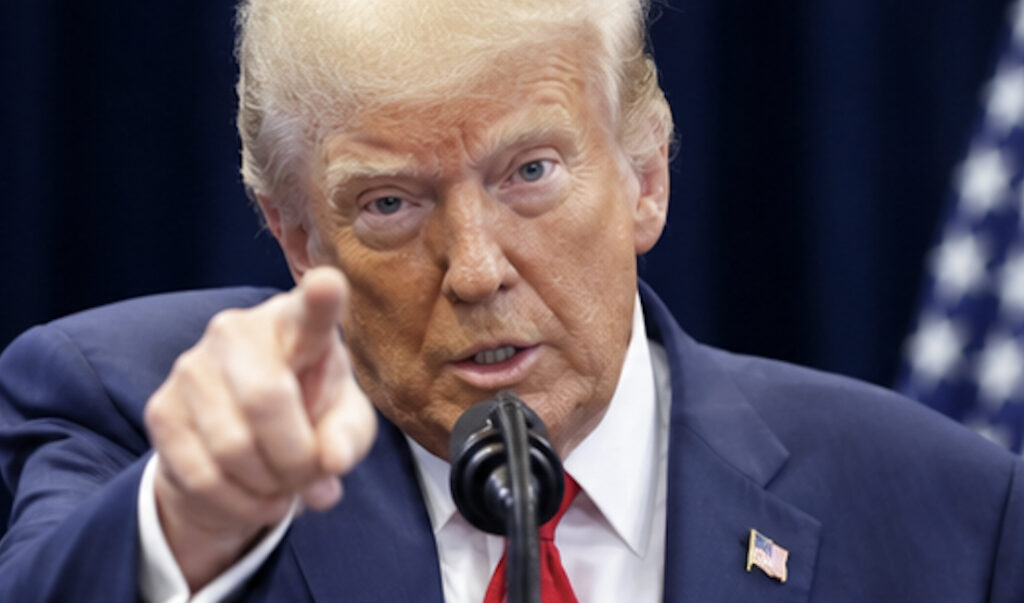
President Donald Trump is pressing forward with several of his administration’s most consequential economic policies despite Republicans suffering significant losses in the 2026 midterm elections. With Democrats securing control of both chambers of Congress, Trump faces a substantially different political landscape but has shown little indication that he intends to abandon the agenda that has defined his second term.
- 🚨 Top Story: WWE Superstar Dead at 38
- Most Viewed: Doctors Uncover Fetal Skeleton Inside 10-Year-Old Boy
- 🔥 Most Commented: Two American Airlines Planes Collide
Trump introduced another round of tariffs this week targeting several of America’s largest trading partners, including China, Japan, South Korea and the European Union. The decision underscores his continued commitment to using import taxes as leverage in international negotiations, despite concerns about their potential impact on consumer prices and American businesses.
The president also successfully advocated for billionaire Jensen Huang to return as chief executive of Nvidia following controversy surrounding his personal life and questions involving national security. Trump’s intervention highlights the importance his administration places on maintaining American leadership in artificial intelligence and advanced semiconductor manufacturing.
“He is so happy to be going back. He calls it his second term,” Trump said Thursday regarding Huang’s return. The president defended the reinstatement, emphasizing Huang’s importance to Nvidia’s technological development and expressing confidence in the company’s future under his leadership.
The administration’s economic strategy has come under increased scrutiny following the midterm elections, with affordability, inflation and household expenses remaining major concerns among American voters. Although broader economic indicators have shown signs of strength, many households continue to contend with elevated prices for everyday necessities.
Trump highlighted declining gasoline prices during his Thanksgiving remarks, presenting the development as encouraging news for American families. Lower fuel costs can provide immediate financial relief to motorists while potentially reducing transportation and operating expenses for businesses across numerous industries.
However, the personal consumption expenditures price index, which serves as the Federal Reserve’s preferred measure of inflation, showed that prices increased 3.8% over the preceding 12 months. Persistent inflation could complicate efforts to lower borrowing costs and make mortgages, automobile loans and other forms of consumer financing more affordable.
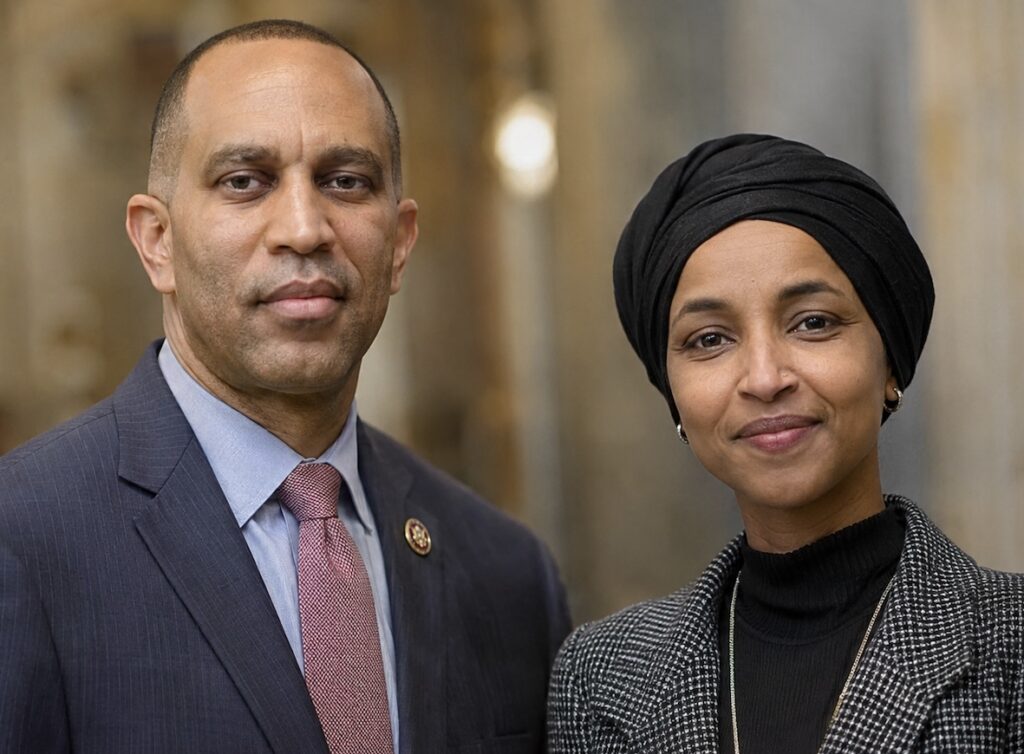
The Commerce Department separately revised third-quarter economic growth upward from an annualized rate of 3.4% to 4.3%, indicating that the economy expanded considerably faster than initially estimated. The stronger reading offers the administration a favorable economic indicator even as concerns about the cost of living persist.
Trump questioned the accuracy of the government’s original estimate and called for an investigation into the discrepancy. Federal agencies routinely revise preliminary economic reports as more comprehensive information becomes available, and no evidence has been presented establishing that the initial figures were deliberately manipulated.
The midterm election results have fundamentally altered the balance of power in Washington heading into the final two years of Trump’s presidency. Democratic control of Congress will make it considerably more difficult for Republicans to advance major legislative priorities without negotiating with members of the opposition party.
Previous presidents confronted with similar electoral setbacks have adjusted portions of their domestic agendas in an effort to secure bipartisan accomplishments. Divided government has historically created opportunities for compromise, particularly when both parties face public pressure to address pressing economic and social concerns.
Trump nevertheless retains considerable executive authority, allowing him to continue influencing federal regulations, foreign policy, trade negotiations and the operations of executive branch agencies. His administration could increasingly rely on these powers in areas where existing law permits presidential action without new legislation.
The president also retains the authority to veto legislation passed by Congress, with a two-thirds majority in both the House and Senate required to override his objections. That constitutional protection gives Trump substantial negotiating leverage despite Republicans losing their congressional majorities.
Democratic lawmakers, meanwhile, will have greater opportunities to launch congressional investigations, conduct oversight hearings and scrutinize decisions made by administration officials. Control of congressional committees also gives Democrats greater influence over legislative priorities and federal spending negotiations.
Trump has indicated that cooperation with Democrats remains possible, particularly on issues such as healthcare and immigration where opportunities for bipartisan agreements could emerge. Whether those discussions produce meaningful legislation will depend on the willingness of both sides to compromise amid an increasingly competitive political environment.
The administration’s trade agenda could nevertheless become a significant source of disagreement. Supporters of tariffs argue that they protect domestic industries, encourage American manufacturing and strengthen the country’s negotiating position, while critics warn that higher import costs can place additional financial pressure on businesses and consumers.
Economic conditions are expected to remain central to the national political debate as both parties begin positioning themselves for the 2028 presidential election. Developments involving inflation, employment, energy prices, economic growth and household purchasing power could substantially influence how voters evaluate the effectiveness of Trump’s second administration.
For now, Trump’s response to the Republican midterm losses suggests that he views the election results as an obstacle to navigate rather than a reason to fundamentally reconsider his economic agenda. His ability to deliver tangible improvements for American households while confronting an opposition-controlled Congress could become one of the defining challenges of his remaining time in office.
Join the Conversation
1 Comment
Keep Reading
AOC Reveals Big 2028 News



ICE Agent Faces Six Years in Prison

Bill Maher Declares Late-Night Comedy ‘Dead’

Two American Airlines Planes Collide
Supreme Court Takes Up Major 2nd Amendment Case


WWE Superstar Dead at 38

Share your perspective and reply to other readers.
Free account required. You will stay on this page.