Trump Unveils New Tariffs on 14 Trading Partners
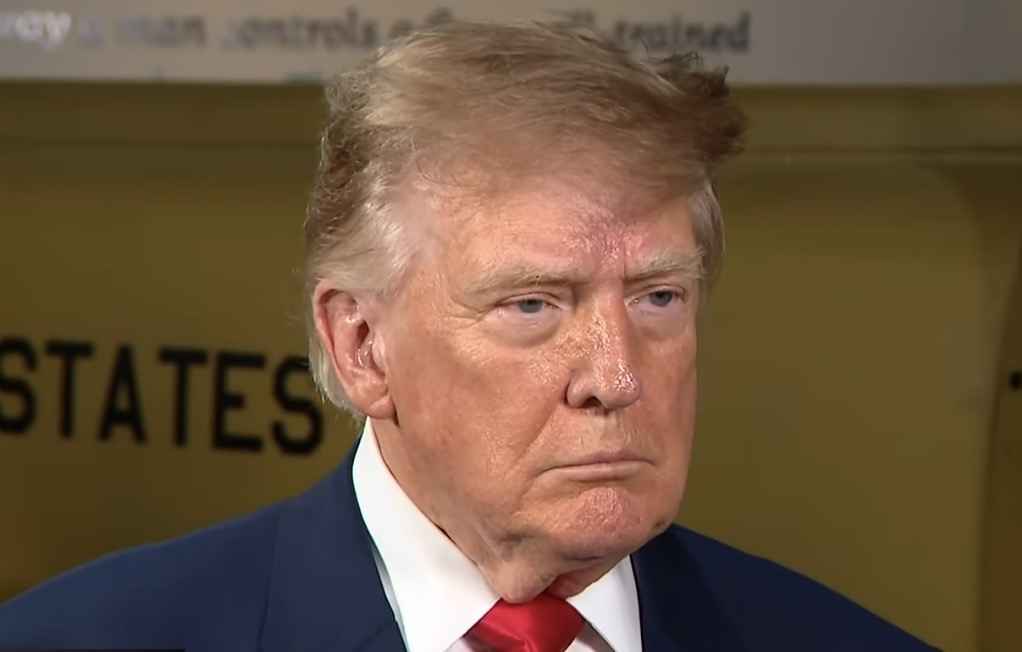
President Donald Trump’s administration unveiled an extensive new tariff proposal Wednesday targeting 14 major American trading partners, including China, Japan, India and the European Union. The initiative seeks to counter foreign industrial policies that administration officials contend have weakened American manufacturing and created an uneven global marketplace.
U.S. Trade Representative Jamieson Greer announced the results of investigations conducted under Section 301 of the Trade Act of 1974. Federal officials concluded that certain foreign economic policies encourage excessive manufacturing production while restricting opportunities for American businesses.
The proposed measures include potential tariff rates reaching 40%, although countries with existing trade agreements or successful ongoing negotiations would generally qualify for lower rates. The announcement does not immediately impose the new duties.
Greer argued that foreign government subsidies, preferential financing and inadequate labor protections have contributed to manufacturing imbalances that disadvantage American companies and workers.
“In doing so, we can level the playing field for American workers,” Greer said while outlining the administration’s objectives.
China would face a proposed rate of 20% under its existing trade truce with Washington.
That figure could increase to 40% if the current agreement expires without a replacement.
Vietnam could receive a 20% rate through a negotiated agreement or face duties of 35% if negotiations fail.
Japan, South Korea, Taiwan, Switzerland and the European Union would generally face proposed capped rates of 15%.
Bangladesh, Cambodia, Indonesia, Malaysia and Thailand would receive proposed caps of 18%.
India’s proposed rate would be 17% with an agreement or 25% without one.
Singapore would receive a proposed tariff cap of 10%.
The administration’s investigations examined industries including automobile manufacturing, semiconductors, textiles, pharmaceuticals and renewable energy equipment.
China rejected Washington’s allegations concerning industrial overproduction and encouraged American officials to honor existing bilateral agreements.
Mexico and Norway were excluded from Wednesday’s announcement because their respective investigations remain unfinished.
Democratic lawmakers criticized the proposals, arguing that additional import taxes could increase costs for American households.
Businesses importing affected products will have an opportunity to participate in the federal government’s public consultation process.
A public hearing is scheduled for January 25, after which the administration could move toward implementing the proposed tariffs.
Join the Conversation
Keep Reading
Fox Host Charles Payne Reveals Details of Personal Tragedy
How Trump Spends Each Thanksgiving
Trump Issues Major Warning to Russia


Charlie Sheen Makes Disturbing Confession

Tim Walz Faces Growing Backlash

Judge Issues Major Ruling on ABC News

Judge Deals Major Blow to Democrats
Share your perspective and reply to other readers.
Free account required. You will stay on this page.