
Next House Speaker Revealed
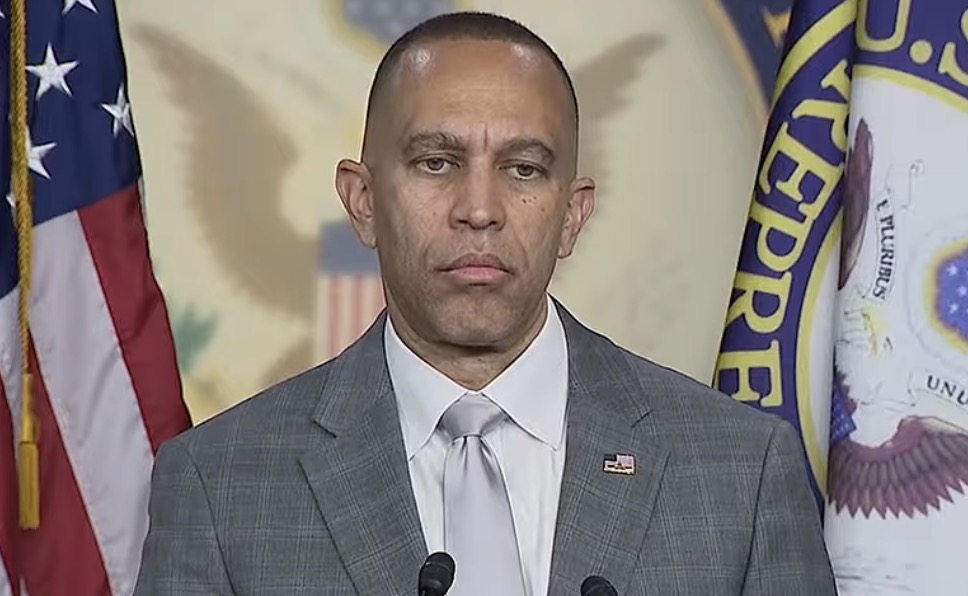
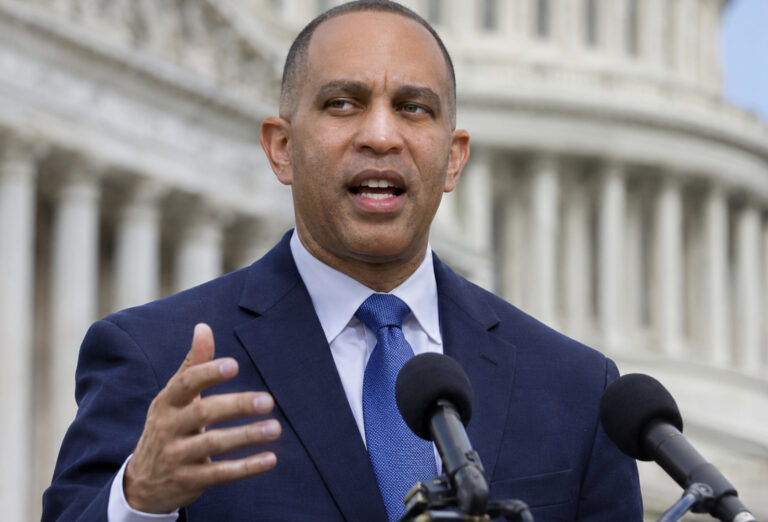
House Democrats nominated Hakeem Jeffries as their candidate for speaker, positioning him to become the first Black speaker of the House when the new Congress convenes in January. Jeffries won a closed-door caucus vote 251-11. The incoming Democratic majority is expected to hold at least 257 seats. With that margin, Jeffries is all but certain to secure the 218 votes needed on the House floor. He has led House Democrats since 2023. The nomination follows the party’s midterm gains. Jeffries called the result a clear and decisive statement from the caucus.
“It’s a high honor and a distinct privilege to stand before the American people today as the Democratic nominee to be the next speaker of the United States House of Representatives,” Jeffries said. He emphasized unity and the need to deliver results rather than internal fights. A small group of incoming progressives voted against him, seeking stronger commitments on issues such as healthcare and foreign aid. Their opposition did not threaten the outcome. The caucus also elevated Katherine Clark of Massachusetts as the next majority leader, the first woman in that role. Ted Lieu was chosen as caucus chair.
Jeffries will preside over a Democratic House during the final two years of President Trump’s term. The speaker’s role places him second in the line of presidential succession. Democrats plan to reverse certain Republican policies and conduct oversight. Jeffries has stressed that the party must fight “MAGA extremism” rather than each other. The 11 votes against him came mainly from newly elected members. They issued a statement outlining the policy commitments they want. The large majority still backed the current leadership team. Nancy Pelosi was among those supporting Jeffries ahead of the vote.
The full House will elect the speaker on January 3. Democrats’ projected majority makes the outcome straightforward. Jeffries has represented a New York district since 2013. He previously served as caucus chair and in other leadership posts. The historic nature of the nomination has drawn attention. No Black lawmaker has held the speakership. Clark’s elevation as majority leader adds another first. The leadership elections also filled other caucus positions. The process occurred behind closed doors before Jeffries spoke to reporters.
Some progressives had threatened to withhold support unless they received specific assurances. In the end, only 11 voted no. Jeffries said the caucus spoke from all corners. He pledged to focus on delivering for the American people. The incoming majority gives Democrats control of the legislative agenda and committee chairs. Oversight of the administration is expected to be a priority. Jeffries has avoided detailed policy pledges in the immediate aftermath of the vote. He has stressed process and unity. The small number of dissenters is unlikely to complicate the January floor vote.
Republicans will be in the minority under new leadership. Jim Jordan is expected to serve as minority leader. The Democratic gains shifted control of the chamber. Jeffries will manage a larger and more diverse caucus than in the previous Congress. The 11 opposing votes reflected tensions with the progressive wing. Those members have said they will continue to push for their priorities. Jeffries has indicated he will work with the full caucus. The nomination locks in the leadership structure heading into January. Formal election remains a formality given the seat count.
The closed-door vote followed weeks of internal discussions. No challenger emerged against Jeffries. He requested a recorded vote despite the lack of opposition. The 251-11 margin was described as overwhelming. Clark, Aguilar, and others will round out the leadership team. The group has promised a new era for House Democrats. Delivery on that promise will be tested once the new Congress begins. Jeffries has experience managing the caucus in the minority. The majority role will bring different demands. The historic first adds symbolic weight to the practical responsibilities.
Jeffries’ path to the speakership is clear barring an unexpected development. The caucus vote settled the internal contest. Progressives secured attention for their issues even in defeat. The broader Democratic conference backed continuity in leadership. January’s floor vote will make the nomination official. Jeffries will then set the House agenda for the remainder of Trump’s term. The nomination marks both a personal milestone and a shift in congressional control. Democrats will hold the gavel for the first time in several years. The outcome was expected once the midterm results were clear.
Join the Conversation
Keep Reading

Trump’s Unprecendented Moment on World Stage

Paris Hilton Teams Up With AOC
Fox Host Reveals Why His Family Is Stockpiling Supplies

Gas Prices Crash to Low Point


Epstein Autopsy Bombshell Emerges

Trump Assassination Plotter Learns His Fate

Share your perspective and reply to other readers.
Free account required. You will stay on this page.