
Gas Prices Crash to Low Point
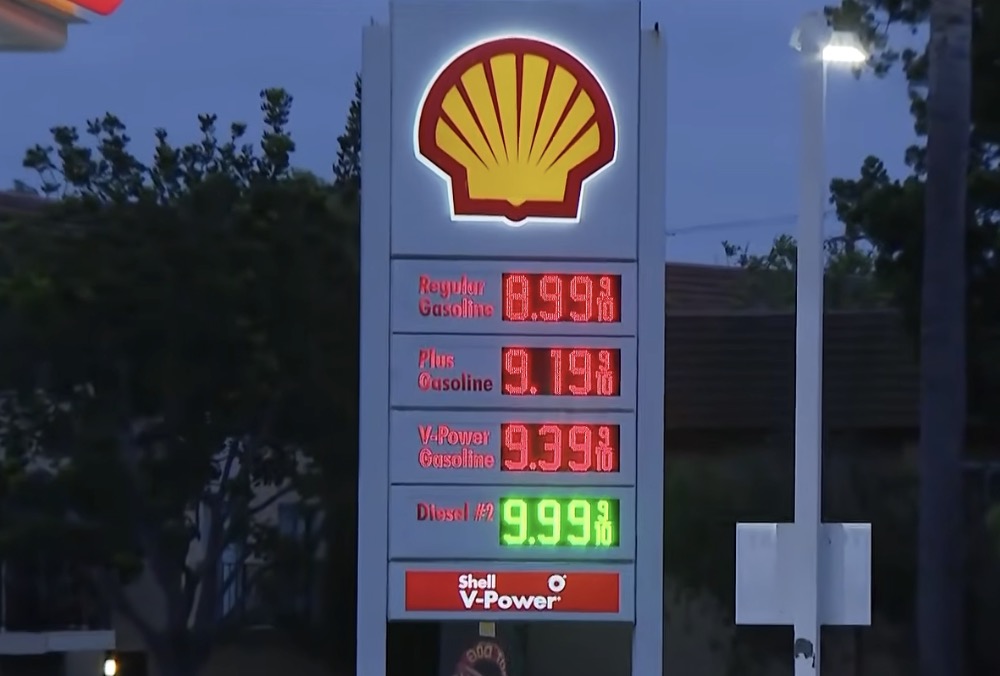
U.S. gasoline prices have fallen to their lowest national average since mid-March, dropping more than 50 cents per gallon in the past month as oil supplies recover. AAA reported the average at $3.72 per gallon on Thursday, down from $3.91 a week earlier and $4.30 in mid-October. GasBuddy data showed similar declines, with prices falling in every state over the past week. The drop follows the resolution of disruptions linked to conflict in the Persian Gulf that had driven prices to a 2026 high of $4.56 in May. Seasonal demand shifts and increased oil flows have accelerated the decline. Analysts expect further modest drops in the coming days.
The national average is still roughly 70 cents higher than a year ago. Diesel prices have also eased, falling below $6 per gallon for the first time since early September. Twelve states saw gasoline declines of more than 25 cents in the latest week. Montana, North Carolina, and Washington recorded some of the largest drops since early September. Hawaii remains the highest at $5.60, the only state to rise since Labor Day. California is close behind at $5.51. Prices in most other states have moved well below their recent peaks.
Patrick De Haan of GasBuddy said the pace of declines has been unusually fast. He projected the national average could fall below $3.72 this week. The International Energy Agency has raised its oil production forecast, adding downward pressure. Shipments through the Strait of Hormuz have increased as tensions eased. President Trump has indicated he will hold off on further strikes against Iran for now. These factors have pulled crude prices lower. West Texas Intermediate has fallen nearly $20 a barrel since late October. The relief is welcome ahead of the Thanksgiving travel period.
Two-thirds of Americans still plan road trips for the holiday despite higher prices than last year. GasBuddy forecasts an average of about $3.62 on Thanksgiving Day. That would exceed last year’s $2.97 and approach the 2022 record. Nearly one in five drivers say they are cutting other holiday spending to cover fuel. The recent drop of more than 50 cents has improved the outlook. Prices peaked near $4.48 in late September. The current level is the lowest since mid-March. Further declines of 10 to 20 cents remain possible if crude stays soft.
State-level variation remains significant. Washington’s average is still $4.74 even after a large drop. Pennsylvania and Nevada have seen much smaller declines. West Virginia recorded one of the smallest decreases. The national figure masks these differences. Consumers in high-price states continue to feel the impact of the earlier spike. The overall trend is clearly downward. AAA and GasBuddy both track millions of price reports daily. Their figures align closely on the recent decline. The drop has eased some inflation pressure from energy costs.
Wholesale inflation had risen at the fastest pace since 2022 partly because of fuel. Lower pump prices should help reverse some of that pressure. Truckers benefit from the diesel decline. The national diesel average fell 18.7 cents in the latest week. Analysts caution that underlying supply risks have not disappeared. Any renewed disruption in the Gulf could reverse the gains. For now, the market is responding to improved flows and reduced geopolitical risk. The speed of the recent drop has surprised some observers.
GasBuddy expects the average to continue falling this week. The organization cited higher production forecasts and recovering shipments. Prices are down about 10 percent since Labor Day in many areas. Labor Day averages had set records in some states. The current levels remain elevated compared with pre-conflict norms. Still, the direction is positive for consumers. Holiday travelers will see lower costs than they faced a month ago. The decline has been broad-based across the country. Every state recorded a drop in the past week. That breadth supports the view that the market is correcting.
Further modest declines are likely if crude oil remains under pressure. The combination of seasonal factors and supply recovery is driving the move. Consumers should see additional relief at the pump in the near term. Prices are unlikely to return to the May peak without a major new disruption. The current average of roughly $3.72 marks a clear low point for 2026 so far. Analysts will watch Gulf shipments closely. Any slowdown could slow or reverse the decline. For the moment, the trend favors lower prices heading into the holiday weekend.
Join the Conversation
Keep Reading

Trump’s Unprecendented Moment on World Stage
Next House Speaker Revealed

Paris Hilton Teams Up With AOC
Fox Host Reveals Why His Family Is Stockpiling Supplies





Epstein Autopsy Bombshell Emerges

Trump Assassination Plotter Learns His Fate

Share your perspective and reply to other readers.
Free account required. You will stay on this page.