
People who live to 100 have 3 drinks in common, expert says
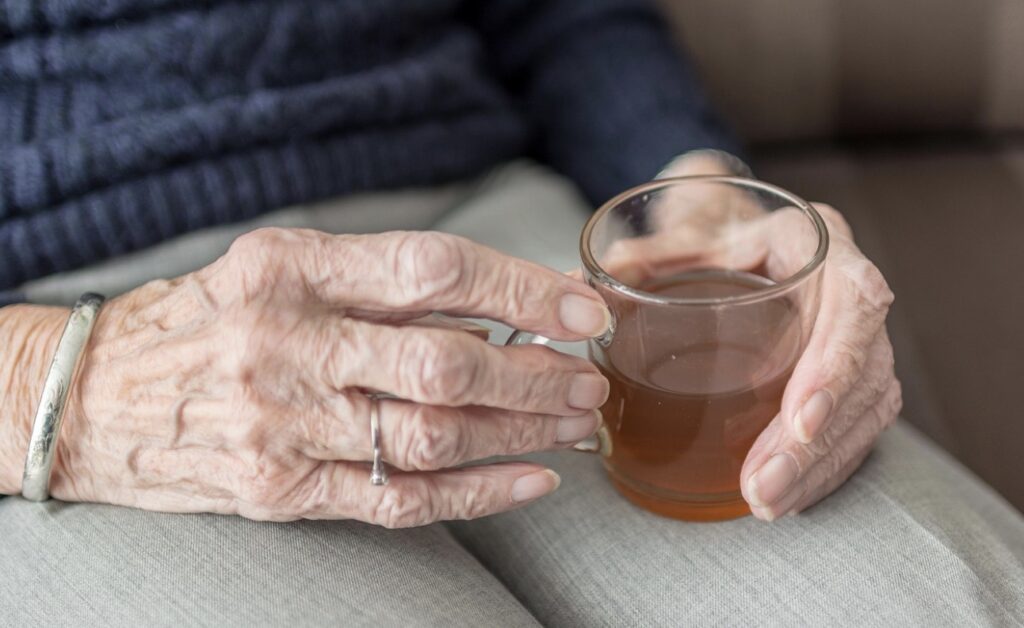
Longevity researcher Dan Buettner says people in the world’s “blue zones” share three everyday drinks, and that the top one is the plainest.
Blue zones are places such as Sardinia and Okinawa with unusually high numbers of people who live past 100. Researchers have studied diet and daily habits there for clues to healthy aging. In a recent video, Buettner highlighted three beverages commonly consumed in those regions.
He ranked purified water first. “The indisputable, best thing you can drink to live to 100 [is] water,” he said. “People in blue zones are drinking six to seven glasses of water. You want to make sure it is purified water. Water helps lower your blood pressure, helps keep your blood thin and keeps you hydrated.”
National Institutes of Health research has linked better hydration with healthier aging, including lower risks of chronic disease and premature death, though researchers noted the findings do not prove cause and effect. Other experts say adequate water intake supports kidney function, helps regulate blood pressure, and keeps blood circulating.
Black coffee was second. Buettner said coffee consumption is associated with lower rates of diabetes and Parkinson’s. “Drink it black, one to two cups a day, quit by noon, it’ll help you live longer,” he said.
Coffee contains antioxidants and polyphenols, plant compounds studied for possible anti-inflammatory effects. Routine coffee intake has also been associated with lower risks of type 2 diabetes and neurological conditions. Limiting added sugar and heavy cream avoids extra calories, and drinking caffeine earlier in the day may reduce its effect on sleep.
Red wine was third, and Buettner called its place in a longevity diet “controversial.” Residents in places such as Sardinia often drink small amounts with meals. “I’m very well aware of all the negative press wine is getting lately, but it’s consumed in the blue zones and it seems to add years to life,” he said.
Red wine contains plant compounds such as resveratrol and flavonoids, which have been studied for possible cardiovascular effects. Experts have increasingly questioned whether any benefit outweighs the known risks of alcohol. Alcohol consumption has been linked to numerous health risks, including an increased risk of at least seven types of cancer, according to the U.S. Surgeon General.
People with underlying conditions or those taking medications should consult a clinician before making large dietary changes.
Join the Conversation
Keep Reading





Fox News Personality Kat Timpf Announces Pregnancy





Karen Bass Suffers Meltdown Over Trump ‘Invading’ L.A.


Share your perspective and reply to other readers.
Free account required. You will stay on this page.