
It’s Happening: Dems Advance Bill for Muslim Commission
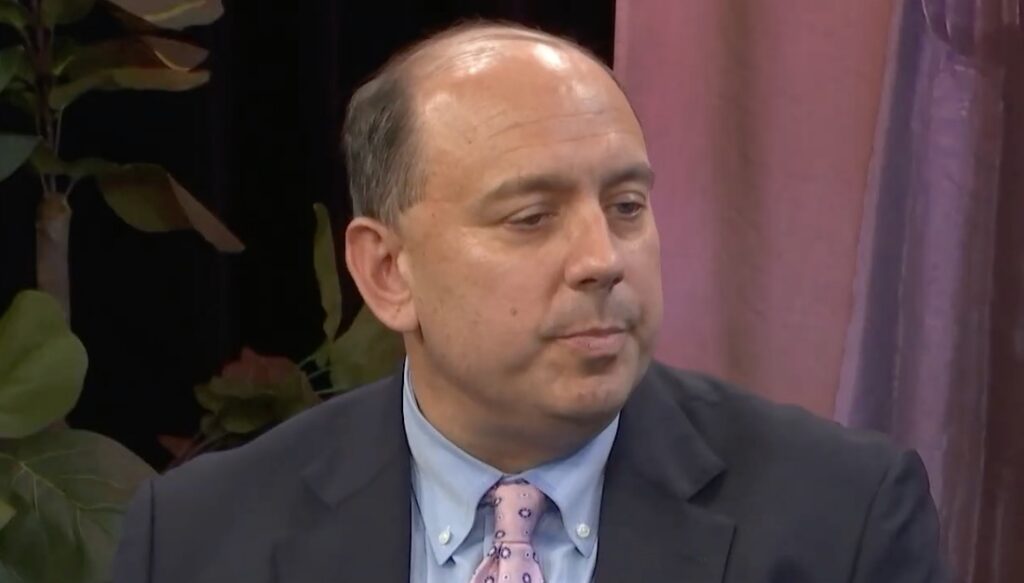
Massachusetts lawmakers are advancing legislation that would establish a permanent state commission focused on American Muslims. Senate Bill 2134, titled an “Act promoting the civil rights and inclusion of American Muslims in the commonwealth,” has cleared an initial committee hurdle with a 5-0 recommendation.
The measure, introduced by Democratic state Senator James Eldridge, proposes an 11-member “commission on the status of people who practice Islam.” Members would be appointed by the governor, attorney general, legislative leaders, and other officials. They would serve three-year terms and must demonstrate commitment to the Muslim American community.
One of the commission’s explicit responsibilities would be to “identify and recommend qualified American Muslims for appointive positions at all levels of government,” including seats on boards and commissions. The body would also review state agency practices for their impact on Muslim residents and advise lawmakers on how proposed legislation could affect the community.
Additional duties include serving as a liaison between government and private interest groups, conducting public hearings, examining Islamophobia and discrimination, tracking incidents, and evaluating possible changes to hate-crime laws. The commission could accept gifts, donations, grants, and federal funds, and would employ a paid executive director and staff.
A companion House bill was introduced by Democratic Representative Vanna Howard. Eldridge has described the effort as a civil-rights measure intended to give the state a clearer understanding of challenges facing Muslim residents, whom he noted serve as health-care workers, educators, business owners, students, and civic leaders.
The legislation remains in the Senate Committee on Ways and Means and has not yet become law. Supporters frame it as an inclusion initiative. The scope of the proposed advisory and recommendation powers has drawn attention from observers tracking state-level policy changes.
Further legislative action will determine whether the commission is created and how its recommendations are received by executive and legislative branches.
Join the Conversation
Keep Reading
Leftist Gov. Signs Unthinkable Abortion Law








Major Shake-Up: Karoline Leavitt to Leave WH Press Office
AOC Splits with Longtime Fiancé




Share your perspective and reply to other readers.
Free account required. You will stay on this page.