Incoming Texas Dem Governor Makes Chilling Announcement
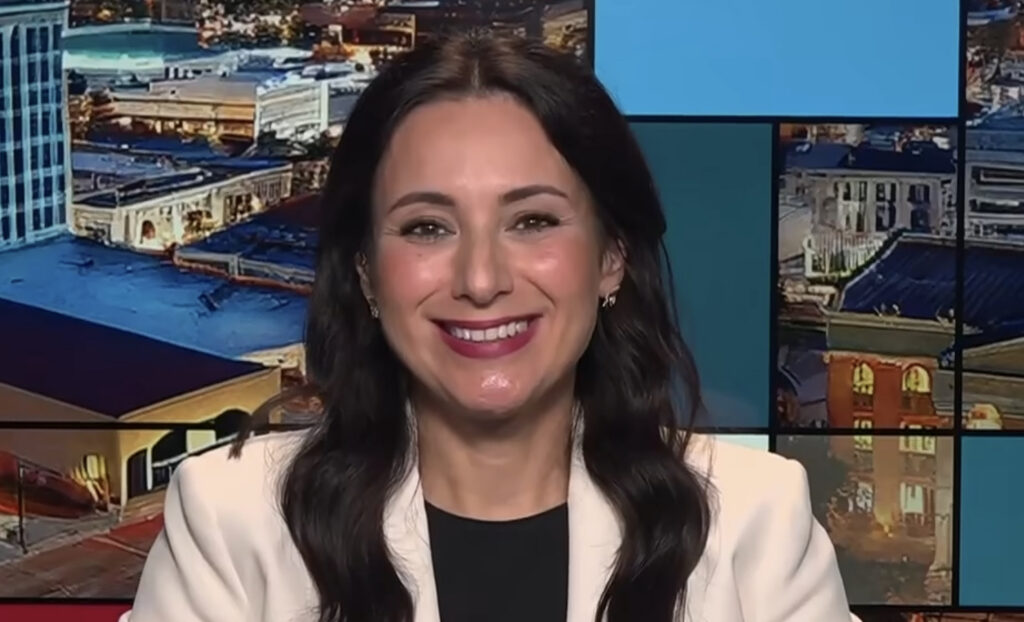
Texas Democratic Governor-elect Gina Hinojosa has pledged to reverse Republican Gov. Greg Abbott’s designation of the Council on American-Islamic Relations as a terrorist organization. The promise came in an interview with The Washington Post and immediately drew attention as a major policy shift.
Abbott issued the proclamation in November 2025, citing national security concerns and evidence from federal terrorism investigations. He designated both CAIR and the Muslim Brotherhood as foreign terrorist organizations under Texas criminal law and classified them as transnational criminal organizations under state property rules.
Hinojosa’s planned reversal would remove the terrorist designation targeting CAIR. The move would not automatically repeal the underlying statutes that support broader security measures.
Abbott referenced the Holy Land Foundation terrorism financing case when announcing the designation. Federal authorities designated the foundation a terrorist organization in 2001 and later froze its assets.
A federal jury convicted the foundation and five of its leaders in 2008 of providing material support to Hamas. Prosecutors established that the defendants funneled approximately $12.4 million to the group.
One of those convicted, Ghassan Elashi, was identified as a founding board member of CAIR’s Texas branch and received a 65-year prison sentence. Federal prosecutors also named CAIR an unindicted co-conspirator in the 2007 proceedings.
A later judicial order found ample evidence of historical connections between CAIR and organizations examined in that case. CAIR has never been criminally charged in the matter and continues to deny supporting terrorism.
Texas law requires the governor to consult the Department of Public Safety director and the Homeland Security Council before removing certain property-related designations. Federal terrorism designations remain outside the authority of any state governor.
Hinojosa has also announced plans to freeze residential electricity rates on her first day in office. She framed the step as an emergency response to rising household costs.
“On Day One as governor, I’ll freeze residential electricity rates and make corporations finally pay their fair share,” she said. She told The Texas Tribune she would declare a high-cost emergency within an hour of taking the oath and issue an executive order to freeze rates.
The freeze would remain in place until lawmakers require data centers and other large electricity users to cover more of the costs they impose on the system. Hinojosa is scheduled to be sworn in on January 19, 2027.
Whether a governor has unilateral authority to freeze competitive residential rates remains legally unresolved. Texas largely deregulated its electricity market in 1999, opening most of the state to retail competition.
Government-imposed price freezes have historically disrupted the balance between supply and demand, often leading to shortages and reduced investment. The Texas Disaster Act includes energy emergencies among the conditions that can trigger special powers, though the statutory language focuses on temporary fuel shortages.
Hinojosa has not publicly identified the specific statute she believes authorizes a rate freeze. The incoming governor could also face resistance from the Legislature.
Republicans view both the CAIR reversal and the electricity proposal as evidence that Hinojosa intends to pursue policies too radical for many Texas voters. The 2028 election cycle is already being discussed as a potential rebound opportunity.
The combination of the two announcements has defined the early public profile of the governor-elect. Both moves signal a sharp break from the Abbott administration’s approach on security and energy.
Join the Conversation
Keep Reading

Netflix Marks Thanksgiving with Lesbian Sex Scene
Top Cop Predicts Ilhan Omar’s Fate
Bill Maher Makes Surprising Admission About Trump
Former Clinton Official Dead

Fox Host Charles Payne Reveals Details of Personal Tragedy
How Trump Spends Each Thanksgiving
Share your perspective and reply to other readers.
Free account required. You will stay on this page.