
First Republican Congresswoman From Deep Blue State Dies
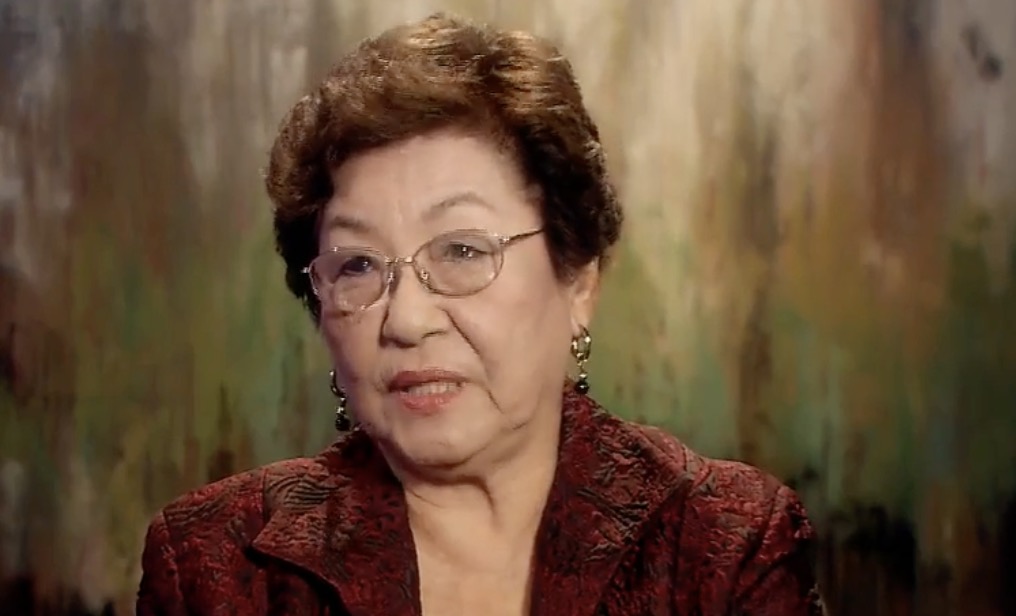
Patricia “Pat” Saiki, the first Republican elected to the U.S. House from Hawaii, died September 30 at her Honolulu home. She was 96. Her son Stuart said the cause was natural.
Saiki was born Patricia Fukuda in Hilo on May 28, 1930. She graduated from Hilo High School and the University of Hawaii in 1952, taught school, and helped organize the state’s first teachers’ union.
She won a seat in the Hawaii House in 1968 and served six years, then moved to the state Senate from 1974 to 1982. After a losing race for lieutenant governor, she chaired the Hawaii Republican Party and built its rolls.
In 1986 she won a U.S. House seat, the first Republican to do so since Hawaii became a state in 1959, and the second woman to represent the islands in Congress. She served two terms.
In Washington she helped line up Republican votes for the apology and compensation paid to Japanese Americans incarcerated during World War II. She pushed environmental protections at home and, in 1990, pressed President George H.W. Bush to stop the Navy from using Kahoʻolawe as a bombing range.
She was a moderate on some social issues, including abortion rights, and worked with Democrats on bills that mattered in Hawaii. She left the House after losing a 1990 Senate race to Daniel Akaka. Bush then named her administrator of the Small Business Administration, a post she held from 1991 to 1993. She later taught at Harvard’s Institute of Politics and lost a 1994 race for governor to Ben Cayetano.
Stuart Saiki said she kept helping with homework and raising five children while she held office. She was preceded in death by her husband, Stanley, and their eldest son, Stanley Jr. She is survived by children Stuart, Sandra, Margaret and Laurie, and by grandchildren.
Gov. Josh Green ordered flags at half-staff from October 2 through sunrise October 5. “Pat Saiki’s six decades of public service and her pioneering example for young women and Asian Americans in Hawaiʻi and across the U.S., combine to form both a lasting, inspiring legacy and a high bar for all of us who serve the public,” Green said. Rep. Ed Case called her a pioneer who “broke barriers, easing the path for others that followed.”
Join the Conversation
Keep Reading


Trump Targets CNN Star at Rally

Jasmine Crockett Hit With Legal Bombshell

Elon Musk’s Girlfriend Gets Bad News


Supreme Court Justice Considers Retirement

Plane Vanishes With 6 On Board


AOC Invokes God, Speaks from Pulpit at Catholic Church



Share your perspective and reply to other readers.
Free account required. You will stay on this page.