Elon Musk Responds to Jensen Huang Speculation
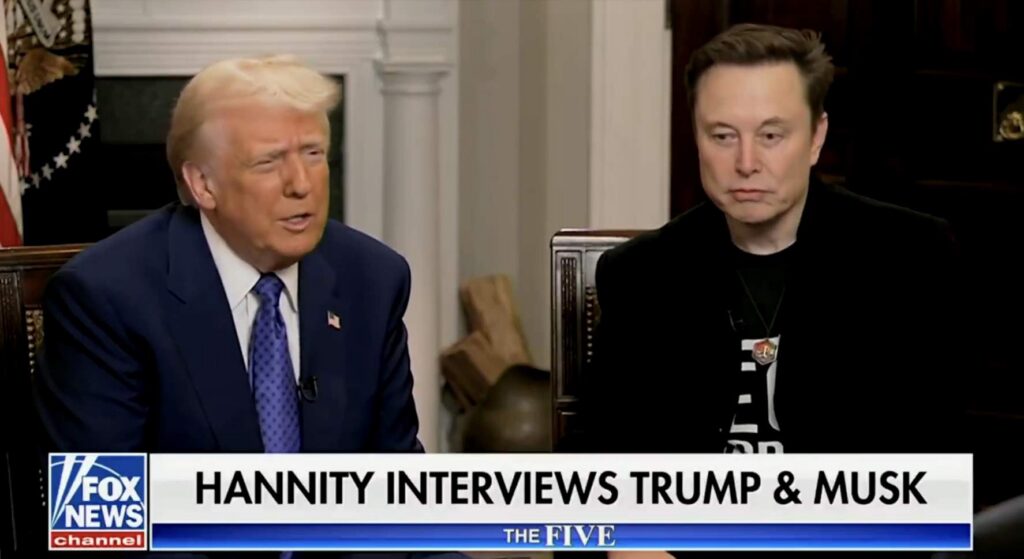
This is big…WATCH:
Background info: Elon Musk has fueled speculation about the future of Nvidia co-founder Jensen Huang after publicly expressing interest in hiring the prominent technology executive following his sudden departure from the semiconductor giant. Musk’s remarks have attracted widespread attention across the technology industry, raising questions about whether one of artificial intelligence’s most influential figures could eventually join Tesla, SpaceX, or another company controlled by the billionaire entrepreneur.
The controversy intensified after Huang resigned as Nvidia’s chief executive officer on November 12, 2026, following reports involving alleged extramarital relationships and questions surrounding a possible foreign intelligence connection. As the company’s board confronted the situation, social media users began speculating about Huang’s professional future and whether competing technology companies might attempt to recruit him.
Responding to a social media post urging him to hire Huang, Musk delivered a brief but enthusiastic answer that immediately generated headlines. “That would be an honor,” Musk wrote on X, signaling his admiration for the Nvidia co-founder and his apparent willingness to consider working with him. The statement quickly sparked discussion about what such a partnership could mean for the rapidly expanding artificial intelligence industry.
Musk subsequently went further, publicly supporting efforts to restore Huang to his former position at Nvidia. In another message posted on November 13, the Tesla and SpaceX chief executive indicated that he would support a petition calling for Huang’s reinstatement. His response suggested that he would prefer to see Huang return to the company he helped build, even while acknowledging the possibility of recruiting him elsewhere.
The billionaire also warned that Nvidia could suffer serious business consequences without Huang’s leadership. Musk argued that the executive had personally negotiated critical supply arrangements and established relationships that might prove difficult for a successor to maintain. He suggested that some important business agreements depended heavily on Huang’s credibility and longstanding relationships with customers and suppliers.
Musk’s unusually public defense of Huang comes during a turbulent period for Nvidia, which has become one of the world’s most important technology companies because of the extraordinary demand for artificial intelligence computing hardware. The company’s advanced processors power major AI systems, including infrastructure used by technology companies competing to develop increasingly sophisticated models.
Huang’s departure created uncertainty over Nvidia’s leadership at a particularly consequential moment for the semiconductor industry. The company has faced heightened scrutiny over its business relationships, international technology restrictions, and the strategic importance of advanced computing chips. The prospect of losing its longtime leader has raised concerns among investors and technology executives about whether the company can maintain its momentum.
According to published reports, the controversy surrounding Huang involved allegations about his personal relationships, including one with a woman suspected of having connections to Chinese intelligence. The allegations prompted national security questions, although suspicion of a foreign intelligence connection does not establish that Huang knowingly participated in espionage or compromised sensitive corporate information.
Nvidia’s board previously indicated that it had no reason to believe company secrets or national security information had been compromised. Nevertheless, the controversy placed Huang under intense scrutiny and contributed to a leadership crisis at the company he co-founded more than three decades ago.
Following Huang’s resignation, Nvidia appointed Chief Financial Officer Colette Kress as interim chief executive while confronting questions about its longer-term leadership structure. The transition underscored the difficulty of replacing an executive whose personal identity has been closely connected to the company’s development and success.
Musk has argued that Huang’s contributions extend beyond traditional corporate management. In public comments, he praised the Nvidia executive’s ability to manage complicated supply relationships, suggesting that personal trust played a significant role in securing important commercial agreements.
According to Musk, Huang consistently honored commitments involving computing hardware deliveries and worked to accelerate shipments when necessary. That experience appears to have influenced Musk’s public support for Huang during the controversy, particularly given the enormous importance of Nvidia processors to the billionaire’s artificial intelligence projects.
The two executives have maintained professional connections for years. Nvidia technology has supported Tesla’s autonomous-driving development, while Musk’s artificial intelligence company, xAI, has relied heavily on advanced computing infrastructure to train and operate its AI models.
Those relationships have fueled speculation about whether Huang might eventually assume a leadership or advisory position within Musk’s business empire. However, Musk has not announced a formal employment offer, identified a specific position, or confirmed that negotiations have taken place between the two executives.
Any potential move would also raise complicated business questions because Nvidia supplies technology to companies that compete directly in artificial intelligence development. Huang’s extensive knowledge of semiconductor technology, manufacturing partnerships, and customer relationships could make him an attractive recruit, although confidentiality obligations and possible conflicts would require careful consideration.
Meanwhile, Huang has signaled that he remains interested in returning to Nvidia. In a public statement on November 17, the former chief executive expressed openness to resuming leadership of the company, adding another development to the uncertainty surrounding his professional future.
The push for Huang’s reinstatement has attracted support from employees, investors, and prominent technology figures, including Musk. President Donald Trump has also expressed support for Huang, highlighting the executive’s considerable influence within the American technology industry and the broader debate over the future of advanced semiconductor development.
For now, Nvidia’s leadership remains uncertain as the company navigates the fallout from Huang’s resignation and considers its next steps. Musk’s willingness to publicly defend the former chief executive has intensified speculation about a possible partnership, but no hiring agreement has been announced. Whether Huang ultimately returns to Nvidia or pursues another opportunity could have significant implications for the future of artificial intelligence and the global technology industry.
Join the Conversation
Keep Reading
Democratic Party Leader Self-Deports
Jennifer Lopez Makes Stunning Hollywood Claim
Gavin Newsom Hit With Major Lawsuit
Trump Issues Chilling Warning to Iran
FBI’s Most Wanted Cartel Leader Captured
Melania Trump Makes Emotional Public Statement
Share your perspective and reply to other readers.
Free account required. You will stay on this page.