
The Left Wants BLOOD?! Democrats Discuss Political Payback After the Midterms!
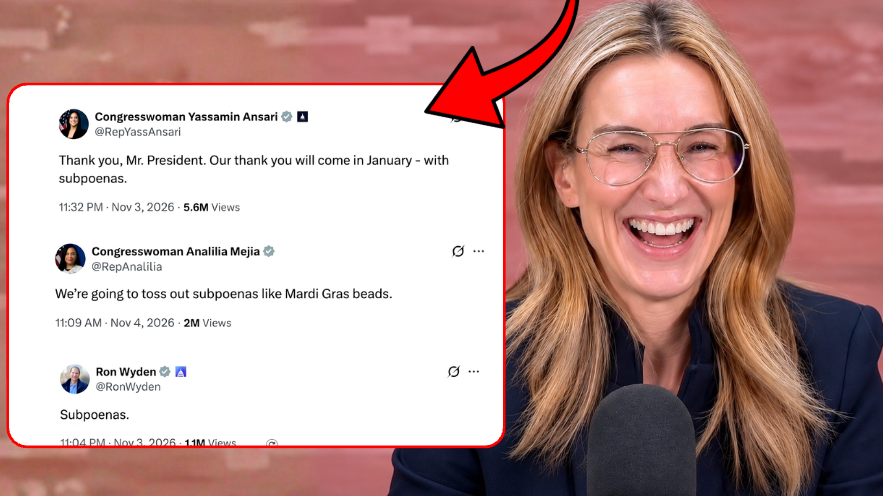
The election is over, but the political drama is FAR from finished!
Democratic lawmakers are discussing congressional subpoenas and investigations into Trump administration officials, and Mock and Daisy have plenty to say about the possibility of political payback.
Background Info: Democrats are preparing to launch a sweeping series of congressional investigations into President Donald Trump, his administration, and several of his closest political allies following the 2026 midterm elections. With the party securing control of both the House of Representatives and Senate, Democratic leaders are outlining plans to use congressional subpoena powers to examine allegations of corruption, conflicts of interest, and abuses of government authority. The emerging agenda could create major political and legal confrontations during the final two years of Trump’s presidency.
The November 3 elections dramatically changed the balance of power in Washington, giving Democrats control of Congress after two years of Republican majorities. While Trump will remain president, his administration will soon face congressional committees led by political opponents who have spent months preparing investigations. Democrats have indicated that their oversight efforts could involve senior Cabinet officials, White House advisers, federal agencies, private corporations, and members of the president’s family.
The shift in congressional control is particularly significant because majority parties generally determine which investigations receive committee resources and whether subpoenas are issued. Congressional subpoenas can compel witnesses to provide testimony and require individuals or organizations to produce documents, emails, financial records, and other evidence. Although Democrats will not formally assume their new majorities until January 2027, lawmakers are already discussing which officials and organizations could face demands for information shortly after the new Congress convenes.
One of the strongest warnings came from California Democratic Rep. Robert Garcia, who is positioned to become chairman of the powerful House Oversight and Government Reform Committee. As election results began confirming Democratic victories, Garcia posted a two-word message directed at those preparing for the new congressional majority: “Lawyer up.” The statement immediately attracted attention and signaled the aggressive approach that some Democrats intend to take toward investigating the Trump administration.
Garcia has identified several major areas that he wants his committee to investigate, including the Trump family’s business activities, federal government contracts, immigration enforcement, corporate influence, and the handling of records connected to convicted sex offender Jeffrey Epstein. He has said Democratic investigators have already spent months gathering information and preparing potential inquiries. Rather than beginning entirely new investigations in January, lawmakers could expand existing oversight efforts by using their newly acquired authority to compel testimony and obtain additional records.
Financial relationships involving Trump and members of his family are expected to receive considerable scrutiny. Democrats have raised questions about cryptocurrency ventures, international business arrangements, government contracts, and potential conflicts between private financial interests and official government decisions. Investigators are particularly interested in determining whether companies or individuals connected to the president received favorable treatment from federal agencies. The White House and Trump have denied wrongdoing, and the existence of an investigation would not itself establish that illegal conduct occurred.
Democratic lawmakers have also discussed examining business activities involving Trump’s sons and son-in-law, Jared Kushner. Potential areas of investigation include investment relationships, corporate board positions, financial arrangements involving foreign interests, and government contracting decisions. Lawmakers want to determine whether private companies benefited from relationships with individuals connected to the administration. Such investigations could lead to requests for financial documentation and testimony from business executives who are not themselves government officials.
Another major focus involves the federal government’s handling of documents related to Jeffrey Epstein. Democratic lawmakers have argued that questions remain about the release of investigative records, redactions, and decisions made by the Justice Department. Garcia has discussed holding public hearings and potentially seeking testimony from Attorney General Todd Blanche and other officials. Democrats say the goal would be to establish whether relevant information was improperly withheld and whether federal authorities adequately investigated individuals connected to Epstein’s criminal activities.
Immigration enforcement is another area where Democratic lawmakers are preparing for expanded oversight. Congressional committees could examine operations conducted by Immigration and Customs Enforcement, the treatment of detainees, the use of force by federal agents, and allegations involving American citizens affected by immigration operations. Democrats have criticized several enforcement practices during Trump’s second term, while administration officials have defended their immigration policies as necessary for border security and public safety.
The Department of Government Efficiency initiative associated with Elon Musk could also face renewed congressional scrutiny. Democrats have questioned the initiative’s handling of federal staffing reductions, agency restructuring, government data, and claimed savings for taxpayers. Investigators may seek documents showing how major decisions were made, which officials authorized them, and whether the resulting changes complied with federal law. The administration has defended its efforts to reduce bureaucracy and eliminate what it considers wasteful government spending.
Maryland Democratic Rep. Jamie Raskin, who is expected to lead the House Judiciary Committee, has outlined additional investigative priorities involving the Justice Department and FBI. His concerns include allegations that federal law enforcement decisions were influenced by political considerations. Democrats have discussed reviewing investigations involving prominent Trump critics, personnel changes affecting federal prosecutors, and decisions involving presidential pardons. Raskin and other lawmakers have indicated that they intend to examine whether the administration improperly used federal authority against political opponents.
Defense Secretary Pete Hegseth could also face intensified congressional scrutiny. Democrats have raised concerns about his leadership of the Pentagon, decisions involving senior military officers, and the administration’s handling of military operations. House Democratic leader Hakeem Jeffries has publicly called for Hegseth’s removal, while other lawmakers have discussed possible impeachment proceedings against administration officials. Any such effort would require a separate political and legal process, and no final decision has been announced concerning potential impeachment charges against Hegseth.
The administration’s military operations involving Iran are expected to become another significant subject of congressional investigation. Democratic lawmakers have questioned the justification for the conflict, its financial cost, the consequences for American military personnel, and whether Congress was adequately consulted before military action began. The House Armed Services Committee could seek additional information about operational decisions, intelligence assessments, civilian casualties, and the administration’s broader national security strategy.
The incoming Democratic majority in the Senate is preparing its own investigative agenda. Oregon Sen. Ron Wyden, who is positioned to lead the Senate Finance Committee, has discussed examining financial institutions, pharmaceutical companies, and business relationships involving the administration. Connecticut Sen. Richard Blumenthal has also outlined potential investigations involving government contracts, immigration operations, cryptocurrency arrangements, and federal spending. Coordination between House and Senate committees could subject administration officials and private organizations to simultaneous inquiries.
The possibility of another impeachment effort against Trump remains a major question. Trump was impeached twice by the House during his first presidential term and acquitted by the Senate on both occasions. Democratic leaders have not completely ruled out pursuing additional impeachment proceedings, but some have expressed concern that such a process could consume considerable time and attention. Raskin has acknowledged impeachment as a constitutional option while emphasizing that lawmakers must consider whether pursuing it would be worthwhile.
Even with control of Congress, Democrats could encounter substantial resistance when attempting to obtain information from the executive branch. Trump administration officials may assert executive privilege, challenge particular document requests, or contest subpoenas in federal court. Similar confrontations occurred during Trump’s first presidency, when congressional committees and administration officials became involved in prolonged legal disputes over testimony and access to government records. Such battles can continue for months or years, potentially delaying investigations and complicating efforts to secure evidence.
The White House has strongly criticized suggestions that Democrats could use their new congressional authority for politically motivated investigations. Administration representatives have warned that excessive hearings and subpoenas could distract lawmakers from addressing issues affecting American families. White House spokeswoman Lauren Bis said the president remains willing to work with lawmakers on policies intended to benefit Americans but argued that partisan investigations would undermine that goal. Republicans are expected to portray at least some of the proposed inquiries as political retaliation rather than legitimate congressional oversight.
Meanwhile, Hakeem Jeffries, who is positioned to become the next House speaker, has attempted to distinguish legitimate oversight from political revenge. He emphasized that Americans want elected officials to deliver results, particularly on groceries, housing, healthcare, and other household expenses. Democrats now face the challenge of balancing those legislative priorities with their promised investigations into the administration. The debate could become one of the defining political conflicts of 2027, with Republicans accusing Democrats of pursuing payback and Democrats arguing that congressional oversight is necessary to hold powerful government officials accountable.
Join the Conversation
Keep Reading
Democratic Party Leader Self-Deports

Jennifer Lopez Makes Stunning Hollywood Claim

Gavin Newsom Hit With Major Lawsuit
Trump Issues Chilling Warning to Iran

FBI’s Most Wanted Cartel Leader Captured

Melania Trump Makes Emotional Public Statement
Share your perspective and reply to other readers.
Free account required. You will stay on this page.