
Trump Just Said THIS About JD Vance
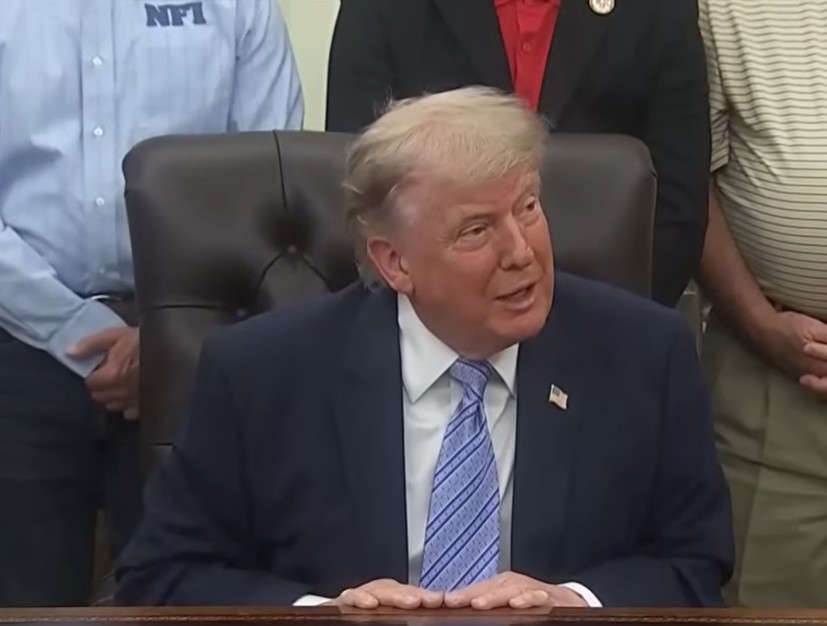
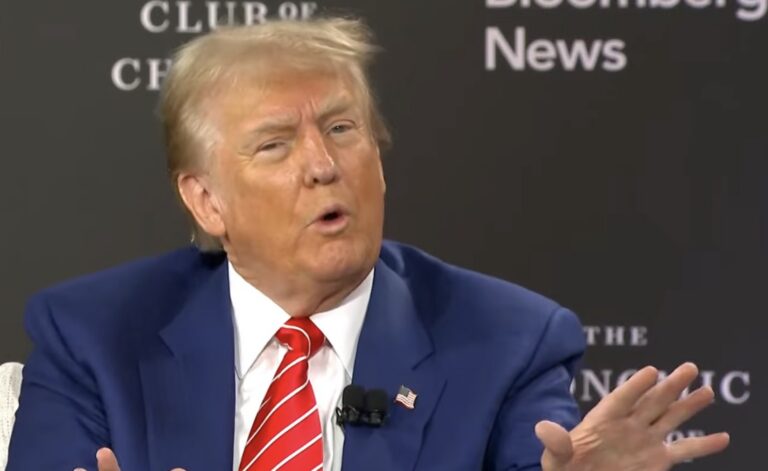
Trump had something to say about JD Vance and Iran. WATCH:
Background info: President Donald Trump has announced a significant change to Vice President JD Vance’s responsibilities, directing him to step away from negotiations involving Iran and instead concentrate on alleged corruption and crime in Democratic-controlled states and cities. The decision comes amid growing disagreements over the administration’s handling of the prolonged conflict in the Middle East and follows Vance’s unusually blunt assessment of why Republicans suffered major losses in the November midterm elections.
In a November 12 statement posted on Truth Social, Trump declared that the United States no longer needed to negotiate an agreement with Iran, signaling a potential shift away from diplomatic efforts to resolve the conflict. “We don’t need a deal with Iran. Those days have long since passed,” the president wrote. Trump also claimed that American military and economic pressure had placed Washington in a dominant position over Tehran.
The president followed that declaration with a direct instruction concerning his vice president, who had played a prominent role in previous negotiations aimed at ending the war. Trump announced that he had asked Vance to focus his attention on investigating alleged criminal activity and government misconduct in Democratic jurisdictions, specifically identifying California, Minnesota, and Illinois as examples of states he believes require additional scrutiny.
The announcement raised immediate questions about Vance’s standing within the administration and the future of American diplomatic efforts involving Iran. Only a day earlier, reports indicated that the vice president was considering direct discussions with a senior Iranian security official, potentially creating an opportunity to negotiate an end to the conflict that has disrupted international commerce and contributed to rising energy prices.
Trump’s decision also followed public comments from Vance blaming the Iran war for Republicans’ sweeping defeats in the November 3 elections. The vice president argued that the conflict and its economic consequences had become major liabilities for the party, particularly as voters expressed frustration with higher costs and America’s continued military involvement overseas.
In a lengthy social media statement following the election, Vance suggested that Republicans needed to acknowledge the political consequences of the administration’s military decisions. He argued that supporters could defend the war as necessary, but they should also recognize the electoral price the party had paid. His remarks attracted attention because they appeared to depart from Trump’s more favorable assessment of the conflict.
Although Trump publicly maintained that the disagreement had not damaged his relationship with Vance, the president acknowledged that some Republicans were unhappy with the vice president’s comments. Trump also suggested that Vance should have emphasized that the military campaign was justified despite its political consequences, illustrating a difference in how the two men have discussed the war and its impact on the Republican Party.
Vance had previously emerged as a central figure in efforts to negotiate an end to the conflict, participating in diplomatic initiatives alongside other senior administration officials. Those efforts included discussions intended to address Iran’s nuclear program, restore regional stability, and reopen vital commercial shipping routes affected by the fighting.
The war began in February 2026 with American and Israeli military strikes against Iran, triggering months of hostilities and retaliation throughout the Middle East. The conflict has caused major economic disruption, placing pressure on global energy markets and creating serious concerns about the security of commercial shipping through the Persian Gulf.
One of the most consequential issues has been control of the Strait of Hormuz, a narrow waterway through which a substantial portion of the world’s oil shipments normally passes. Trump has repeatedly emphasized American military control over the strategic passage, arguing that Washington possesses significant leverage over Iran and does not need to rush into a diplomatic agreement.
However, the president’s public statements have sometimes sent conflicting signals about his intentions. While declaring that negotiations are unnecessary, Trump has also suggested that additional military strikes might not be required. His administration has simultaneously maintained substantial American military forces in the region, leaving questions about the next phase of the conflict.
According to Reuters, Trump has privately discussed the possibility of postponing additional strikes against Iran if Tehran and its regional allies avoid further provocations. The discussions suggest that the administration is considering how to maintain military pressure without necessarily expanding an already unpopular conflict.
Vance addressed those concerns during a November 16 interview with Fox News host Laura Ingraham, criticizing individuals who favor an extended American military commitment. The vice president argued that the administration should not allow the conflict to become another prolonged Middle Eastern war, emphasizing that voters had supported Trump in part because of his opposition to open-ended foreign interventions.
The vice president also expressed confidence that Trump could ultimately bring the conflict to a successful conclusion. His remarks suggested that, despite their different public assessments of the war’s political consequences, Vance continues to support the president’s stated objective of avoiding an indefinite American military presence in Iran.
The reassignment could also carry political implications for Vance, who is widely considered a potential contender for the Republican presidential nomination in 2028. His criticism of the war has highlighted differences within the conservative movement between those favoring a more interventionist foreign policy and supporters of a restrained approach to American military involvement overseas.
Meanwhile, Trump’s decision to redirect Vance toward domestic investigations places the vice president at the center of another potentially contentious political initiative. The president has alleged widespread fraud and corruption in Democratic-controlled jurisdictions, although those broad accusations require supporting evidence and should not be treated as established findings of criminal wrongdoing.
The domestic assignment comes as Democrats prepare to assume greater power in Congress following their midterm victories. Democratic lawmakers have indicated that they intend to increase scrutiny of the Trump administration, creating the possibility of competing investigations and escalating political confrontations in Washington.
For now, the administration’s next steps remain uncertain as the war with Iran continues and questions persist about whether negotiations will resume. Trump’s decision to shift Vance away from diplomacy represents a notable change in the vice president’s responsibilities, but it does not necessarily indicate a permanent break between the two leaders. With Republicans confronting electoral setbacks and an approaching presidential succession contest, the handling of Iran could become one of the defining political issues shaping both Trump’s remaining presidency and Vance’s future ambitions.
Join the Conversation
Keep Reading
Democratic Party Leader Self-Deports

Jennifer Lopez Makes Stunning Hollywood Claim
Gavin Newsom Hit With Major Lawsuit
Trump Issues Chilling Warning to Iran

FBI’s Most Wanted Cartel Leader Captured
Melania Trump Makes Emotional Public Statement
Share your perspective and reply to other readers.
Free account required. You will stay on this page.